
The transition to college is an exciting milestone — independence, new friends, fresh opportunities. It also comes with challenges, including how young adults navigate situations involving alcohol. As a parent, you still play a powerful role in shaping your student’s attitudes and decisions, and one of the best tools you have is conversation. It’s not a one-time talk, but an ongoing dialogue that evolves with your student’s experiences.
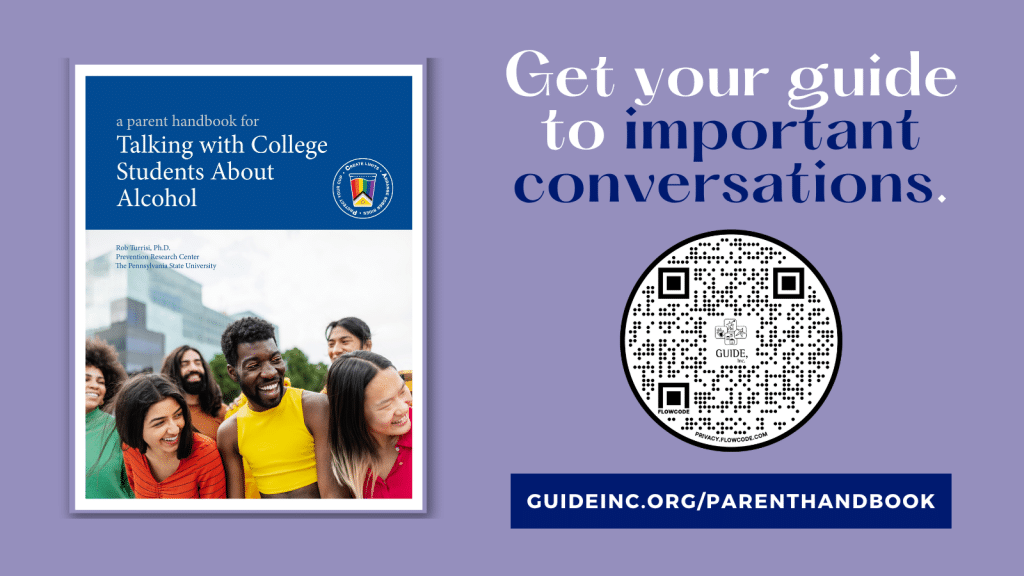
We are thrilled to release our Parent Handbook as a tool to help parents navigate these important conversations!
Why Communication Matters
Research shows that students who have open, honest communication with their parents about alcohol are less likely to engage in risky drinking behaviors. These conversations set clear expectations, build trust and provide a safety net when your student faces real-world decisions. Even if they roll their eyes at first, they are listening — and your voice matters.
Make It a Two-Way Street
Instead of lecturing, aim for curiosity and listening. Ask about their social experiences, what they’ve observed on campus and how they feel about alcohol use among peers. This creates a safe space for them to share and makes it more likely they’ll turn to you for guidance when they need it.
Try questions like:
-
“How have you seen alcohol play a role in campus life so far?”
-
“What do you think are some challenges students face when alcohol is involved?”
-
“If you were ever in an uncomfortable situation with alcohol, what would help you feel safe?”
Share Your Values — and Your Expectations
While it’s important to hear your student’s perspective, don’t be afraid to share your own values and expectations. Be clear about your concerns around safety, health and legal consequences. Frame it in a way that emphasizes care and respect, not control.
Example:
“I care about you and want you to be safe. If you ever find yourself in a situation where you or someone else has had too much to drink, please call me — no questions asked in that moment.”
Keep the Conversation Ongoing
College life changes quickly — new classes, new social groups and new challenges each semester. Make a point to check in regularly, whether during weekend calls, text check-ins or when they come home for breaks. Small, consistent touchpoints keep the dialogue fresh and relevant.
Talk About More Than the Risks
Acknowledge that alcohol exists in many social settings, and help your student think about strategies for making healthy choices, whether that means saying no, setting limits or looking out for friends. Discuss topics like:
-
Understanding drink limits and pacing (if over age 21)
-
Recognizing signs of alcohol poisoning
-
How to step in if a friend is in danger
-
Ways to enjoy social life without drinking
Be the Person They Can Call
Above all, let them know they can reach out to you without fear of judgment. If they believe you’ll listen first and advise second, they’re far more likely to seek your help when it matters most.
Talking about alcohol with your college student isn’t a one-time “checklist” conversation; it’s an ongoing dialogue built on trust, respect and care. By staying connected, asking questions and sharing your perspective, you give your student the tools to make thoughtful choices long after the first semester ends. Download our *FREE* Parent Handbook for facts, conversation tips and resources to get started.